Re-thinking Single-Use Plastics in Food Service
Rebecca Chesney, Vice President of Sustainability
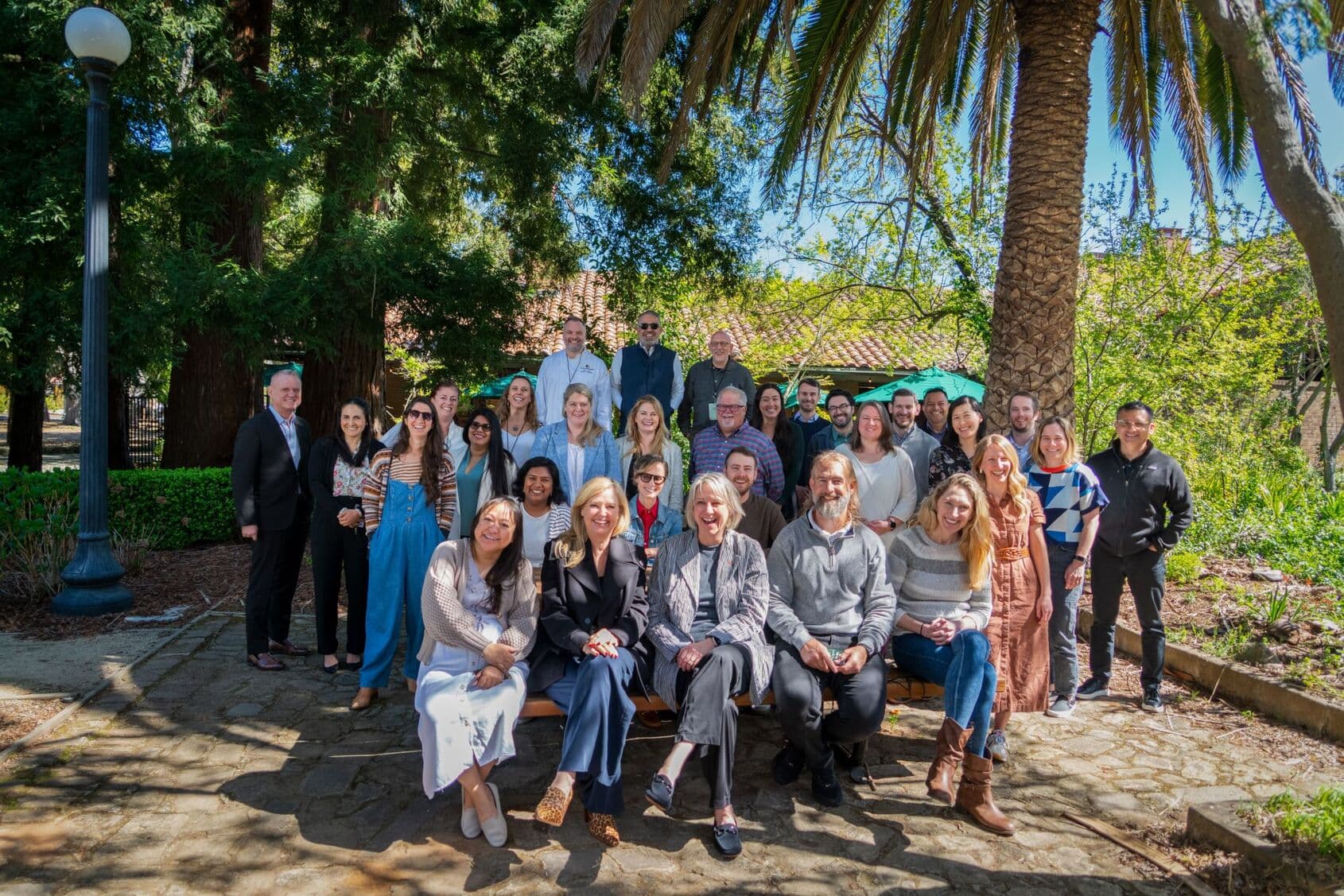
Guckenheimer’s Single-Use Plastics Reduction Workshop united 30+ organizations across the food service supply chain to highlight scalable alternatives to single-use plastics.
When most people think of food and beverage packaging, they imagine clamshells of berries, plastic bottles, shrink-wrapped produce, takeout containers — single-use plastic packages that are now ubiquitous in grocery stores and food delivery services.
It wasn't always this way. In 1955, Life Magazine ran a cover story titled “Throwaway Living,” celebrating a new wave of disposable products designed to reduce household chores. Seven decades later, we are living in the society that story envisioned.
Throwaway culture extends beyond packaging. Nearly 40% of food produced globally is never eaten, and the two problems are linked. Packaging exists, in part, to protect food from becoming waste; implementing a solution for one problem without thinking about the other risks making things worse. That’s why, as part of our zero-waste strategy at Guckenheimer, we treat plastic waste reduction and food waste reduction as an integrated challenge.
Shifting away from single-use plastics requires more than better materials and retooled infrastructure — behaviors must also change. And that’s where corporate dining has an advantage that is often overlooked.
An Overlooked Opportunity
The food industry's work on sustainable packaging tends to focus on how to get consumers to act differently without diluting brand identity or consumer expectations.
Corporate dining is different. Most of the plastic moving through our operations passes through the kitchen without ever reaching a person eating a meal. Packaging doesn't need to communicate branding, indicate freshness, or offer portioning for guests in our cafes in the way that it does when they're shopping at a store.
That changes which solutions are possible. Returnables, for example, are a clear example. Asking millions of retail consumers to return containers at scale is a behavioral challenge most brands have not cracked, while asking a culinary team to set empty buckets aside for a supplier pickup is an operational adjustment. We can train our teams and build sustainable solutions into their workflow, affecting behavior change more quickly and at a larger scale than possible with individual consumers or households.
Corporate dining can serve as a bridge between the supply chain and the broader shift our industry needs to make.
Three Strategies Already in Use
We see the opportunity and have implemented solutions to reduce single-use plastics across three strategies.
Reduce
Shifting from individually wrapped items to bulk purchasing cuts plastic volume immediately. For instance, we offer bulk granola, nuts, cereal and other snacks in many locations. These choose-your-own-adventure snack stations enable guests to mix and match their snack and choose portions, giving them a more personalized experience. Our Proper Glove Use Initiative took the same approach to back-of-house operations by re-examining when disposable gloves were truly needed. Updated training for operators reduced glove usage by 28% without impacting food safety.
Eliminate
Some packaging can simply come out of the system through what we call smart swaps. We worked with produce vendors to replace plastic clamshells with loose flats on high-volume items. A broader effort replaced disposable dishwashing aprons, bun rack covers and storage containers with durable, reusable alternatives, removing roughly 50,000 units of plastic per year.
Circulate
At one of our largest sites, we replaced single-use clamshells with reusable takeout containers, avoiding more than 1 million single-use food service items. We've partnered with suppliers and food distributors to implement back-of-house returnable solutions, including durable buckets for pre-cut produce and coffee beans — solutions some vendors have expanded to other customers.
Single-Use Plastics Workshop at Stanford
In March 2026, we brought more than 30 organizations to Stanford University for a two-day working session, our second workshop after an initial gathering in New York in October 2025. The session included packaging designers, producers, suppliers, sustainability scientists, clients and our operators. The central question was straightforward: How might we collaborate across the supply chain to accelerate the reduction of single-use plastics in food service?
The workshop opened with context that raised the stakes. Dr. Barbara Erny of Stanford University School of Medicine shared recent research on microplastics detected in human brain tissue, blood and placentas. Dr. Diana Lin of the San Francisco Estuary Institute warned about regrettable substitutions, such as swapping plastic for PFAS-coated paper that ends up moving a problem downstream rather than solving it. Tara Dalton from World Wildlife Fund's Food Loss and Waste team framed the food waste dilemma: plastic packaging can help reduce food waste, but at the same time, the overproduction of single-use plastic is polluting our planet.
Roughly 75% of the workshop challenges focused on back-of-house opportunities, which was intentional. While consumer-facing solutions are important, given our scale and expertise in safe and efficient operations, large-volume food service companies like Guckenheimer provide real environments to test and validate solutions that could shift the supply chain more broadly.
What Comes Next
The regulatory environment is accelerating. California's SB 54 requires a 25% reduction in single-use plastic packaging by 2032, and more than 10 states are advancing similar restrictions. The science on microplastics is growing more urgent, and clients and employees are paying closer attention.
Our goal is to launch at least two clear pilots from the 2026 workshop series. This is a novel, innovation-led approach to a problem no single company can solve alone. It requires producers, distributors, clients and operators sharing data and accepting that there are no one-size-fits-all answers.
Although it’s a complex problem, organizations like Guckenheimer are working alongside our supply chain and peers to mitigate single-use plastics in the food service, and we’re making real progress — with even more to come.
You might also be interested in
Food for Thought: How Workplace Dining Drives Knowledge Work
The brain uses 20% of the body's energy. Guckenheimer explores how workplace dining can fuel focus, decision-making and performance for today's knowledge workers.
Read more
Five Ways Global Flavors Are Changing the Workplace Café
See how Guckenheimer's Autostrada café program travels across Italy to turn global food inspiration into memorable workplace dining.
Read more
Chef Appreciation Week: Celebrating Guckenheimer Talent
Chef Rick Green reflects on the creativity, craftsmanship and commitment of Guckenheimer’s chefs — and how mentorship, innovation and opportunity help culinary talent thrive.
Read more