Data You Can Taste: How Analytics Shape What We Serve
Rick Green, Head of Culinary
Data and creativity aren't opposites in a great kitchen. Here's how we use guest feedback, waste analytics and menu insights to help our chefs do their best work.
Although it may sound counterintuitive, data has a constant presence in culinary work. Whether we’re thinking about catering menus or looking at how our cafés are performing, data informs every conversation with chefs about what to keep, kill or modify. "Data-driven food service" can sound like a contradiction because cooking is inherently creative work. But the more I lean into data, the more it becomes a foundation that lets our chefs do their best work.
The Signals We Look For
We pull our data from several sources, each providing a different information set.
Guest feedback is paramount. It provides quick, real-time info, and guests are typically honest about their experiences. What we hear from them allows us to make informed adjustments. When we respond quickly and let guests know how an issue is being resolved, they develop the confidence that we're listening to their concerns. We also pay attention to trends. If the same comment surfaces across several units, it stops being one person's concern and becomes an organizational signal.
In client cafes, we regularly look at our top-selling 100 items, along with dishes that consistently linger near the bottom of the list. The top performers get attention because we want them to stay spectacular — while the under performers get a different kind of attention. Maybe the food is great and the menu description isn't selling it, or an ingredient needs to be modified. The data reveals where to look in order to craft a better guest experience with the menu item.
AI-driven waste management platforms like Winnow provide dashboards that show performance nationally, regionally and at the account level. They also drill down to our top food waste offenders to understand and mitigate the possibility of over production. Production planning runs through NetMenu, our menu management system, which generates pre- and post-production numbers. For example, if we forecast 100 portions and end up making 120, we note it and scale up next time. If we forecast 100 and sell 60, we adjust down, tightening labor efficiency and cutting waste.
For a higher-level view, we pull from sources like point-of-sale systems, CaterTrax, and Power BI dashboards. When we launch a promotion like a new Food Lab concept or a holiday feature, we can see which units participated, what their volumes looked like and how it landed with guests.
Bringing Chefs into the Story
Culinary work requires imagination, and our chefs are profoundly creative people. When we ask them to make changes based on data we’ve collected, we ensure their creativity is maximized to create the best possible food for our clients and guests.
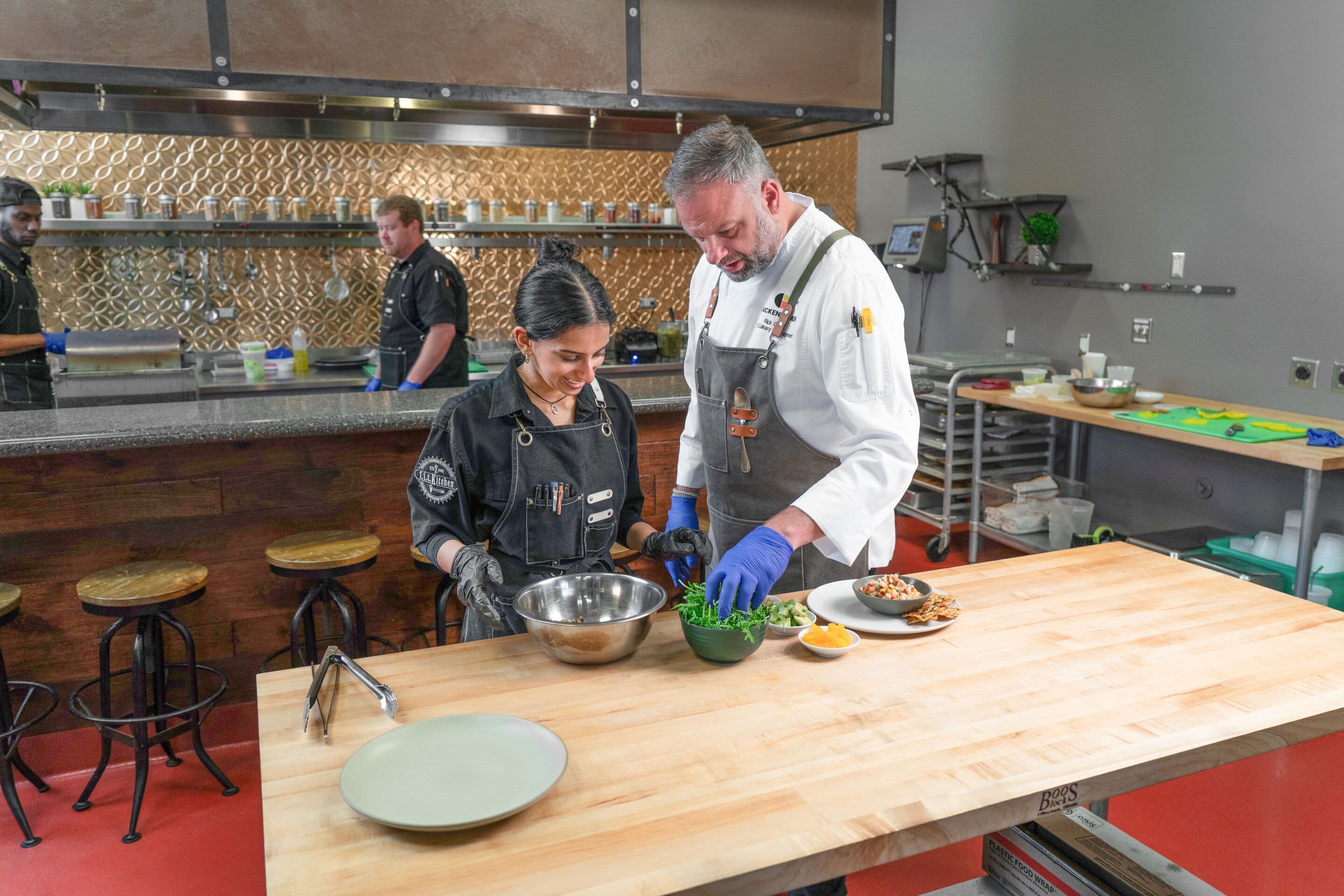
I tell my team that storytelling is just as important as recipe development. We invest in operational guidance so chefs, front and back of house, understand the reasoning behind a program before they execute it. Chefs are tactile, so we give them hands-on access. They can read about a technique all day, but until a chef has made the dish, broken it a few times and tasted the results, the story won’t work.
Once they've produced it, they have confidence with it and that's when the creativity emerges. Our job is to give chefs a toolbox and a recipe foundation for them to add their own flair. Data informs the creative process, shaping the dish for the greatest customer experience.
Culinary Leads the Way
Ideas don't only flow from the top down. Some of our best work starts in a single unit. That's part of why we started our “culinary drumbeat” chats. These ongoing Teams interactions are a safe space for chefs to share what they've been working on and what's resonating with their clients. A small team running a zero-waste-to-landfill catered event, a chef supporting an ERG, a sustainability initiative tied to a client's goals: when those stories surface, other operators see them and think about how to bring something similar to their accounts.
For notable events like Black History Month or Pride, we invite chefs across the field to submit recipes that mean something to them, along with the story behind each dish and why it might resonate at their client sites. The f.i.t. Kitchen vets them, and our marketing team helps tell the chef's story. A creation from one chef in one city can end up on menus nationwide with their name attached — the buy-in is massive, and the recognition matters.
What Lies Ahead
Between analytics, AI and direct feedback from our guests, we’re still only scratching the surface. The old way of running a kitchen, with pen and paper and a scale on the counter, has given way to systems that surface insight in real time at any level we want to examine.
The future of our work is about making faster, better decisions on food quality, menu offerings, labor and food cost while also protecting the craft that makes our cafés worth visiting. We're always paying attention, and we're ready to move when the next opportunity comes so our clients and guests continue to enjoy delicious, nutritious and interesting workplace cuisine.
You might also be interested in
What a Great Hotel Knows that Most Workplaces Are Still Learning
Shifting from a task-based to a hospitality-first approach to workplace facility management doesn’t happen by accident.
Read more
A Recipe for Zero-Waste Magic
Chef Almitra Williams and her hand-rolled carrot pappardelle with signature “caranara” sauce was recently named runner-up in Winnow’s #100RecipesFor100M global competition, celebrating chefs who have collectively driven more than $100 million in food waste savings.
Read more
Guckenheimer Earns Top Protein Sustainability Ranking for Fifth Consecutive Year, Exceeding Goals and Outpacing Industry
A+ rating from Humane World for Animals reflects sustained progress in reducing animal protein reliance and embedding climate goals into workplace dining operations
Read more