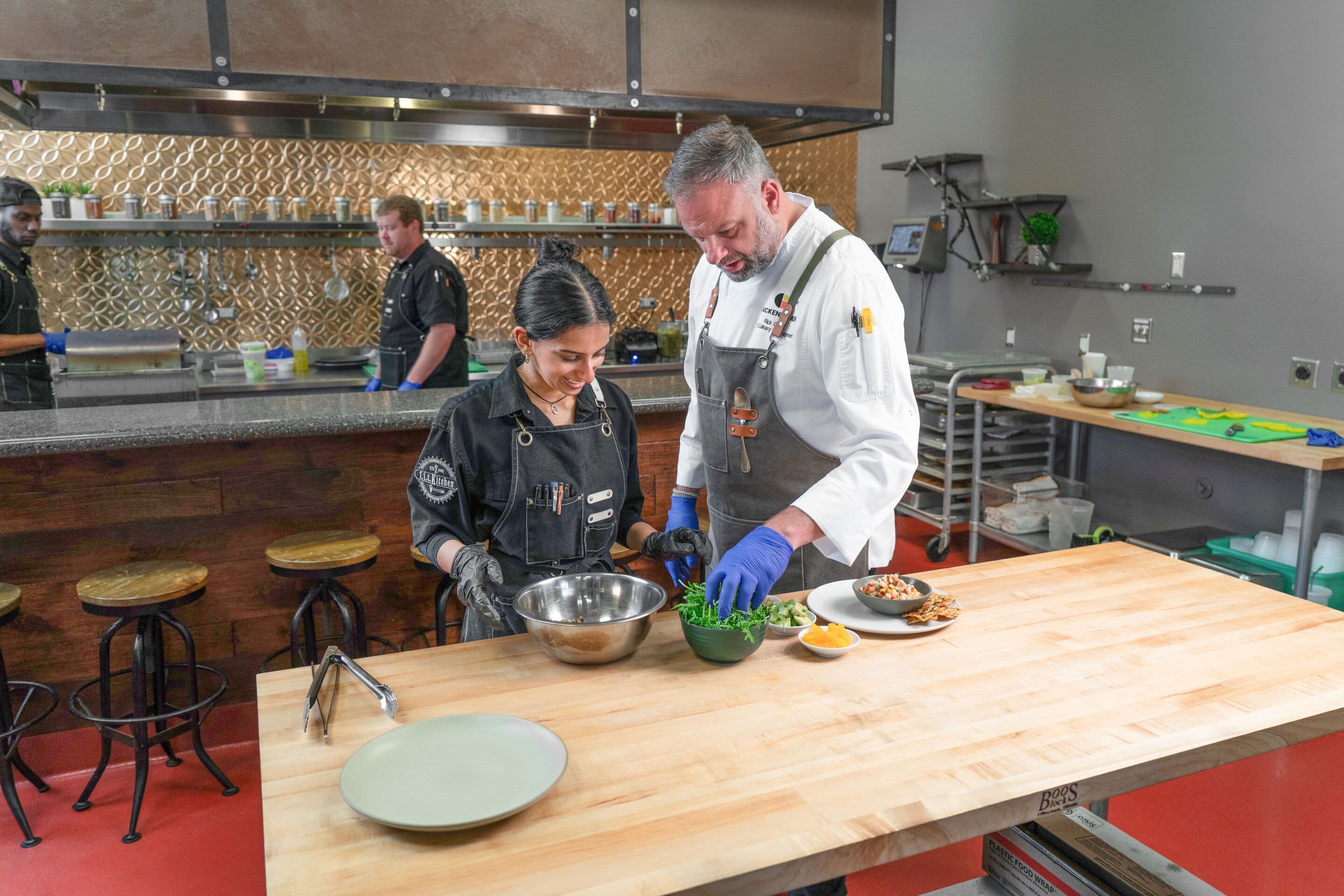
U.S. Food Waste Pact findings validate what Guckenheimer chefs have long believed: when people come together with shared purpose, measurable and meaningful change is possible.
In 2024, Guckenheimer became a signatory of the U.S. Food Waste Pact — a national, voluntary agreement uniting food businesses around one shared goal: reducing food waste. This month, the Pact released its 2025 Impact Report, providing the most comprehensive look yet at how collaborative action is moving the needle in addressing the food waste problem. For Guckenheimer, the findings validate what our chefs have long believed: food can be a catalyst for change.
Effort on a national scale
The new U.S. Food Waste Pact report, led by nonprofits ReFED and World Wildlife Fund, cites good news for the food industry as it tries to address the 60 million-ton food waste problem, with reductions in wasted food in 2024 compared to 2023. Per the report, “The food efficiency rate, the metric that most accurately reflects waste reduction in the foodservice sector” — of which Guckenheimer is part — “decreased by 5.7% from 2023 to 2024, which was accompanied by a 4,000 ton reduction in waste and a $15.9 million decrease in the wholesale cost of surplus food.” Last year, the Pact launched the open-source Employee Engagement Toolkit, and ran six pilots in employee engagement, whole chain collaboration, and low-waste events execution in 25 different cities across the United States, showing the true scale of this national initiative.
Progress you can taste
The 2025 Impact Report results are a clear signal that shared data and shared learning accelerate impact in the food service industry. The pilots have demonstrated food waste reduction averaging more than 50% to date. Additionally,
Overproduction accounted for 30% of wasted food, as reported by the Pact signatories.
Frontliners developed more than 750 food waste reduction ideas, contributing to an average food waste reduction of 66% (equivalent to 4,000 tons).
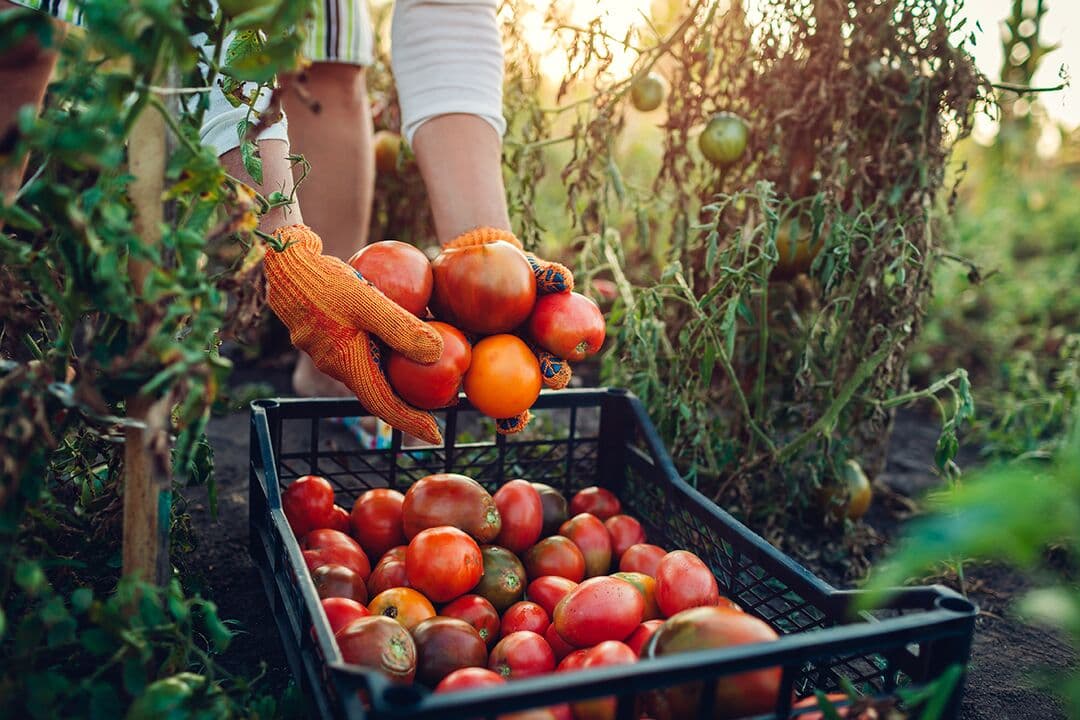
Whole chain pilots identified critical waste hotspots in commodities like ground beef, yogurt and bananas, while a strawberry pilot rescued nearly 10,000 pounds of strawberries and reduced on-farm waste by 51%.
This type of collaboration is why we joined the Pact. It gives organizations a way to learn from one another, test solutions in real environments and scale the approaches that work.
How Guckenheimer is going beyond the plate with sustainability
Our commitment to sustainability and wellness is about food, the planet and the people we serve. We’re the leader in protein sustainability — ranked #1 in the Humane World for Animals’ annual scorecard for four years running. Our chefs choose ingredients and methods that cut carbon, and design plant-powered menus that are as good for the planet as they are for people. We partner with innovators like Winnow to cut food waste in our kitchens, have published a Zero Waste Cookbook, and collaborate with local organizations to divert surplus food to people in need.
Participating in the U.S. Food Waste Pact is a natural extension of this commitment. We took part in the whole chain pilot, testing the viability of imperfect strawberries in our cafes, following research that showed around 25% of California’s edible strawberries are left in the fields.
“Being part of the U.S. Food Waste Pact gives us access to insights and partnerships from across the food industry, directly into our kitchens,” says Rebecca Chesney, Vice President of Sustainability, Guckenheimer, who co-chairs the Pact's Food Service Sector Summit. “This collaboration enables us to share best practices with our food service peers, test solutions that support a more efficient and resilient supply chain, and ensure that sustainability is embedded in all that we do to create great food for our clients and guests.”
"This year, Guckenheimer was one of the most active signatories, testing a solution for strawberries that didn't meet traditional specs, and providing data reporting that has been foundational to establishing the Pact's best-in-class national dataset. We're eager to see what progress we can make together in 2026," shared Jackie Suggit, Vice President of Business Initiatives & Community Engagement at ReFED.
The 2025 Impact Report
Read the report to learn more about how we work with this initiative.
Discover moreYou might also be interested in
What a Great Hotel Knows that Most Workplaces Are Still Learning
Shifting from a task-based to a hospitality-first approach to workplace facility management doesn’t happen by accident.
Read more
A Recipe for Zero-Waste Magic
Chef Almitra Williams and her hand-rolled carrot pappardelle with signature “caranara” sauce was recently named runner-up in Winnow’s #100RecipesFor100M global competition, celebrating chefs who have collectively driven more than $100 million in food waste savings.
Read more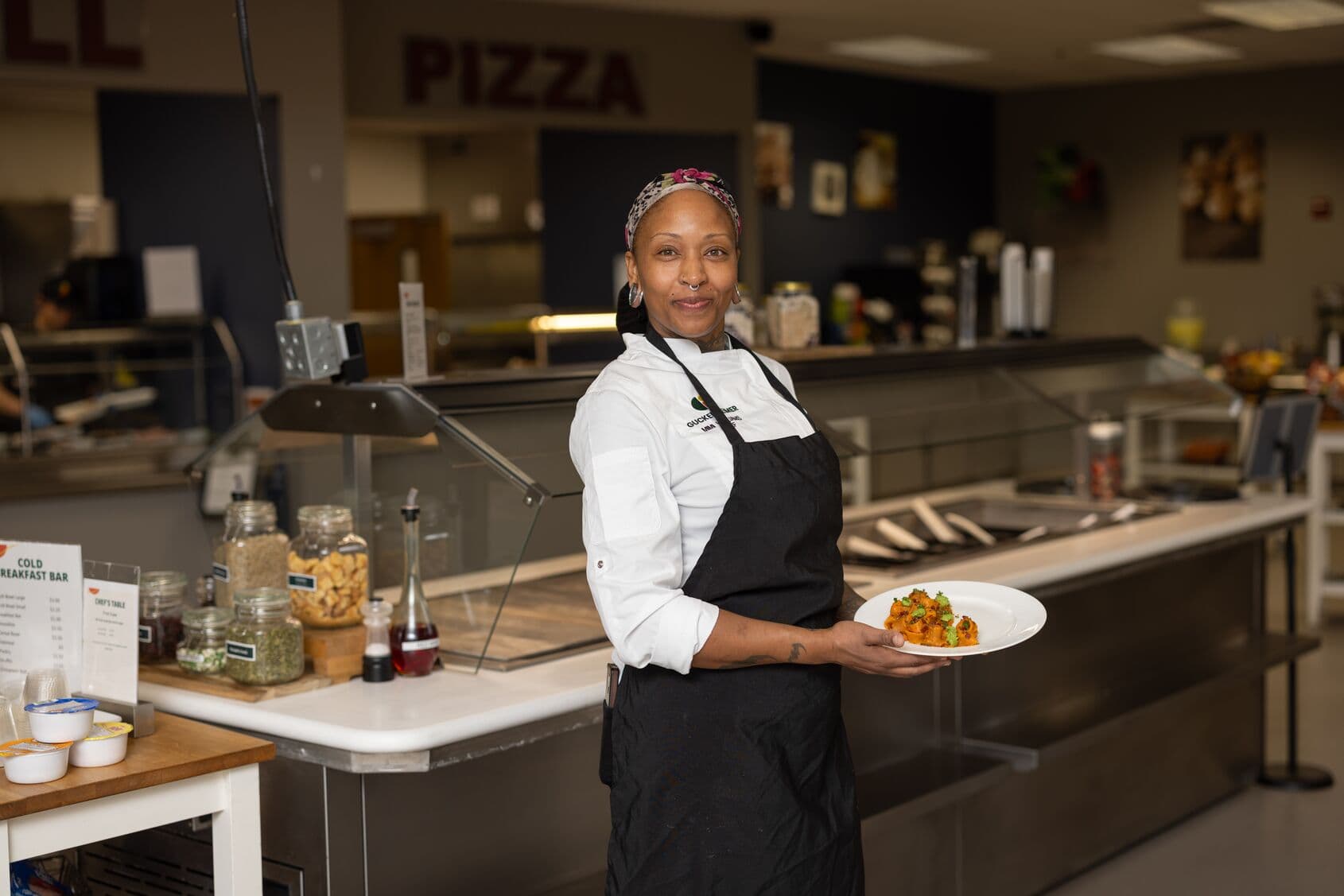
Data You Can Taste: How Analytics Shape What We Serve
Data and creativity aren't opposites in a great kitchen. Here's how we use guest feedback, waste analytics and menu insights to help our chefs do their best work.
Read more